

No Sting, No Mercedes: A Russian Expo Shows Cost of Divorce With the West
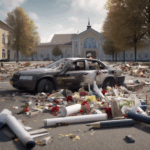
In a bustling exhibition center in Moscow, a striking emptiness fills the hall once adorned with the glitz of Western luxury. Gone are the shimmering Mercedes logos and the sleek lines of European design. The recent Russian Expo serves not merely as a showcase of domestic innovation but as a haunting reminder of the high cost of severed ties with the West. The absence of once-coveted brands is palpable, yet the showcase brims with Russian ingenuity, offering a bittersweet testament to resilience amidst adversity. 🛠️
The ongoing geopolitical tensions have imposed severe sanctions on Russia, reshaping the landscape of its economy and culture. The departure of major Western companies has sparked an urgent quest for domestic alternatives, prompting a surge in local industries and artisans. But this transformation comes at a price, with luxury and prestige rapidly overshadowed by necessity.
The New Reality: Adapting to a Post-Western Economy
Inside the expo, the impact of Western sanctions is starkly illustrated. “We used to showcase brands that stood for luxury and innovation,” notes Alexei Petrov, a Russian business analyst. “Now, we are compelled to find our path without them.” The showcase featured substitutes for brands that proliferated in affluent Russian lives—everything from automobiles to fashion has taken on a distinctive Russian flair, often appealing to local pride rather than international prestige.
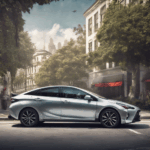
The current state of the Russian economy reflects the struggle to fill the void left by Western projects. In 2022 alone, approximately 1,000 foreign companies halted operations in Russia. As a result, the industrial sector has slowly turned inwards, encouraging developments in technology and manufacturing. For instance, amid the auto industry decay, innovations in electric vehicle technology have surged, yielding prototypes with distinctly Russian characteristics. 🚗
Cultivating Domestic Brands: Innovation Amidst Isolation
In the stark realities of economic isolation, Russian manufacturers have emerged with fervor. Local brands are not merely filling gaps; they are redefining market standards. The expo prominently featured homegrown automakers like Kamaz and Avtovaz, who have adapted their offerings to maintain relevance in a rapidly changing market landscape. These companies, previously overshadowed by their foreign counterparts, are now stepping into new roles as symbols of strength and perseverance, earning admiration from consumers.
“Innovation thrives under pressure,” says Maria Dmitriev, a leading expert in Russian industrial development. “What we are witnessing is a unique opportunity for indigenous brands to redefine the consumer landscape.”
Consumer sentiment reflects this shift. A significant survey conducted by the Russian Public Opinion Research Center indicated that nearly 65% of respondents expressed a favorable view of domestic products, showcasing a palpable shift in preferences shaped by necessity and nationalism.
Beyond the Expo: A Cultural Renaissance
The repercussions of Russia’s detachment from Western markets resonate deeply within the cultural sphere, too. The expo illuminated a burgeoning wave of local artists and designers who are seizing the moment to cultivate a unique aesthetic reflective of modern Russian life. Contemporary fashion lines inspired by folklore, arts, and history are gaining traction, inviting a fresh narrative into the global fashion scene. 👜
Moreover, this cultural revitalization extends into technology. As local tech companies pivot their strategies to create homegrown solutions, groundbreaking ventures in artificial intelligence, gaming, and app development are flourishing in the absence of Western investments. The resurgence of a “technological nationalism” seems imminent, and the narrative of innovation is slowly reclaiming its spot on the global stage.
The Bigger Picture: Economic Self-Reliance
Russia’s path towards economic self-reliance is accompanied by challenges, and the road is fraught with obstacles such as inflation, currency fluctuations, and a loss of experienced workforce. Yet, the country’s newfound indigenization reflects a crucial pivot towards autonomy.
Experts suggest investing in the educational sector is vital to ensure a prosperous future. “We need a generation of innovators empowered by the right skills and knowledge,” asserts Andrei Vasilyev, a technology entrepreneur. The need for STEM education and vocational training has never been more critical as Russia endeavors to captain its economic destiny without the guidance of Western brands and ideologies. 🎓
Conclusion: A Complex Legacy
The Russian Expo serves as a mirror reflecting the shifting sands of an economy under duress. As the remnants of Western luxury fade, the exhibition embodies a complex legacy of adaptation, innovation, and cultural pride. With each new prototype displayed, it becomes clear that this divorce from the West may foster an unexpected renaissance, one laden with local identity while braving the uncertainties of the economic landscape. 💼